People
Who performs the work, who makes the decision, who owns the next action, and who is forced to compensate when something breaks?
Run - Understand the operation before you change the system
A business can look organized on paper while the real work runs through workarounds, delayed decisions, missing information, unclear ownership, overloaded people, and tools that never solved the original problem. Run makes that operating reality visible.
You do not need another tool before you know what is actually stopping useful movement.
What belongs in Run
Run is where the asset meets real life. The work is shaped by people, information, decisions, customer expectations, handoffs, capacity, incentives, technology, and exceptions.
Who performs the work, who makes the decision, who owns the next action, and who is forced to compensate when something breaks?
What should happen, what actually happens, where does work wait, and which steps create rework instead of value?
What does the next person need to know, where is that information stored, and where does it become missing, stale, or duplicated?
What job is the tool supporting, what behavior does it require, and is it reducing friction or creating another workaround?
The operating misunderstanding
When results decline, the visible person or tool is easy to blame. But repeated mistakes, delayed decisions, duplicate work, and unofficial workarounds often point to a larger operating condition.
Before you automate it, hire around it, replace it, or train everyone again, find the constraint that is actually limiting the outcome.
Does work repeatedly return to the founder? Use the Founder Decision Bottleneck framework to examine where information, authority, ownership, and escalation are separating.
The bottom-line connection
The cost can hide inside labor, waiting, missed follow-up, customer frustration, low tool adoption, unnecessary hiring, and decisions that keep returning to the owner.
Work waits because authority, information, or the next decision is unclear. When recurring decisions keep returning to the founder, the operating condition can become a Founder Decision Bottleneck.
Explore Founder Decision BottlenecksPeople repeat, correct, or rebuild work because the process did not produce a reliable result the first time.
Important work keeps returning to one person because ownership and escalation were never designed. Founder Decision Bottlenecks are a specific form of this Run problem.
Explore Founder Decision BottlenecksInternal confusion becomes slow response, inconsistent service, repeated questions, or lost trust.
Software is purchased before the process, information, ownership, and adoption problem are understood.
Growth can increase the speed and volume of mistakes when a weak operating method is scaled before it becomes repeatable.
Build - Run - Protect
Build defines the job. Run reveals whether the operating system can actually perform it. Protect deals with the exposure created by the real operation.
What exists, who is it for, what job should it perform, and what outcome should justify the investment?
Explore BuildHow do people, information, systems, ownership, handoffs, capacity, and decisions make it work in real life?
What does operating it expose, what can be controlled, and what may need to be reduced, transferred, or insured?
Explore ProtectRun does not begin with automation, AI, software, staffing, or insurance. Those can become useful tools only after the operating problem is understood.
Run Diagnostic
Use these questions to turn a vague operating complaint into a decision you can actually evaluate.
The next decision
Tell me what changed, where the friction is showing up, and what you are trying to accomplish. The first job is not to sell you another system. The first job is to understand the one you are already running.
Tell Me What Changed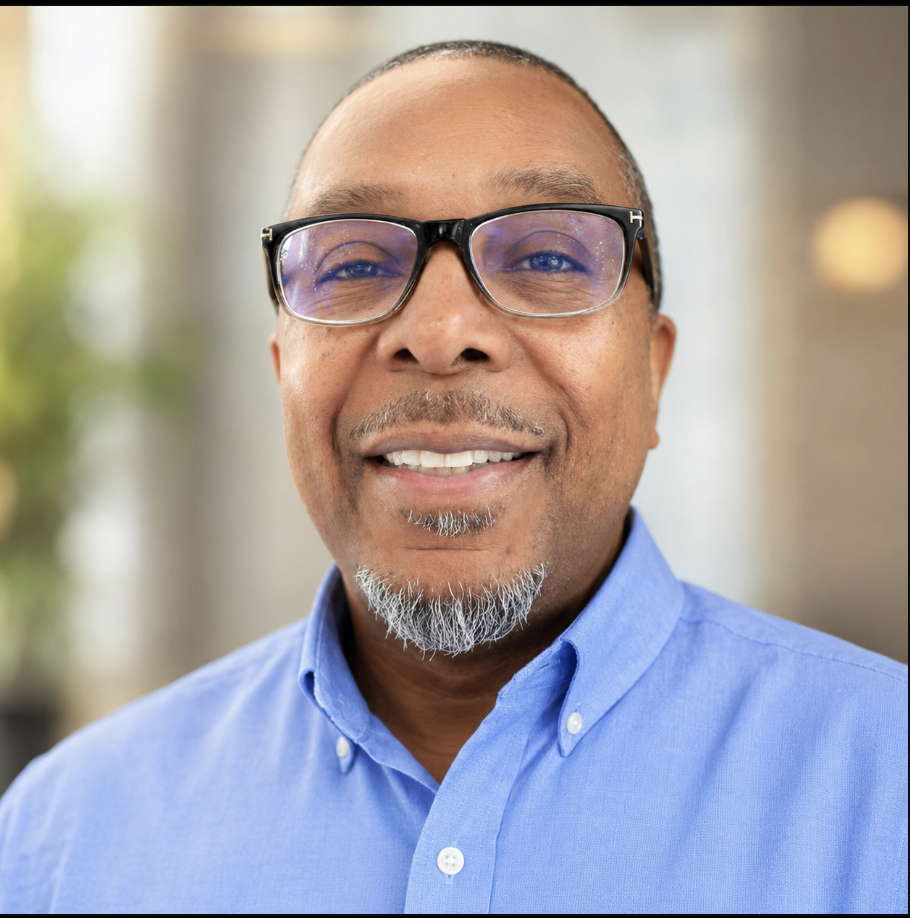
People-first operator studying how work moves through people, processes, information, technology, decisions, and risk. His focus is making operating reality easier to understand so the next responsible move becomes clearer.