Real Estate
What job does the property perform inside the owner's financial, family, investment, relocation, or business plan?
Build - Define the job before you invest more
A website, property, service, product, or other business asset can exist without a clear job description. When that happens, money can leak through confusion, rework, weak handoffs, poor customer experience, and decisions nobody clearly owns.
You do not need to know the solution yet. Start by defining what the asset is supposed to accomplish.
What belongs in Build
Build covers the things you create, acquire, improve, position, or put to work. The object changes. The accountability question does not.
What job does the property perform inside the owner's financial, family, investment, relocation, or business plan?
Who should it serve, what decision should it help them make, and what business process should begin after they act?
What problem is the service responsible for solving, for whom, and how will successful delivery be recognized?
What useful job is the product being purchased to perform, and what must be true for the investment to create value?
The operating misunderstanding
A company would rarely hire an employee without deciding what that person is responsible for. Yet businesses routinely spend money on websites, properties, software, services, and products without defining the job those assets must perform.
Before you redesign it, advertise it, automate it, expand it, or replace it, define its job.
The bottom-line connection
The loss does not always look like a broken asset. It can show up as extra labor, slow decisions, poor conversion, repeated explanations, missed follow-up, avoidable replacement, or risk nobody noticed accumulating.
The asset attracts attention or consumes resources without moving the right person toward the right outcome.
People manually compensate for information, routing, or process work the asset should support.
The business keeps rebuilding or replacing the solution because the real job was never defined.
The customer has to work too hard to understand what is happening or what to do next.
The asset does its visible job, but the next person or system never clearly receives ownership.
Once the asset operates, it can create financial, contractual, data, property, or human risk that needs to be understood.
Build - Run - Protect
The sequence matters. Build defines what exists and why. Run studies how it actually works. Protect addresses the exposure created by the real operation.
What exists, who is it for, what job should it perform, and what outcome should justify the investment?
How do people, information, systems, ownership, handoffs, capacity, and decisions make it work in real life?
What does operating it expose, what can be controlled, and what may need to be transferred or insured?
Insurance is not the opening question. Protection becomes clearer after the asset and the operation producing the exposure are understood.
Build Diagnostic
Use these questions to turn a vague Build request into a decision you can actually evaluate.
The next decision
You do not need to diagnose the entire business before the conversation. Tell me what changed, what you built or are trying to build, and what you are trying to understand. The first job is clarity.
Tell Me What Changed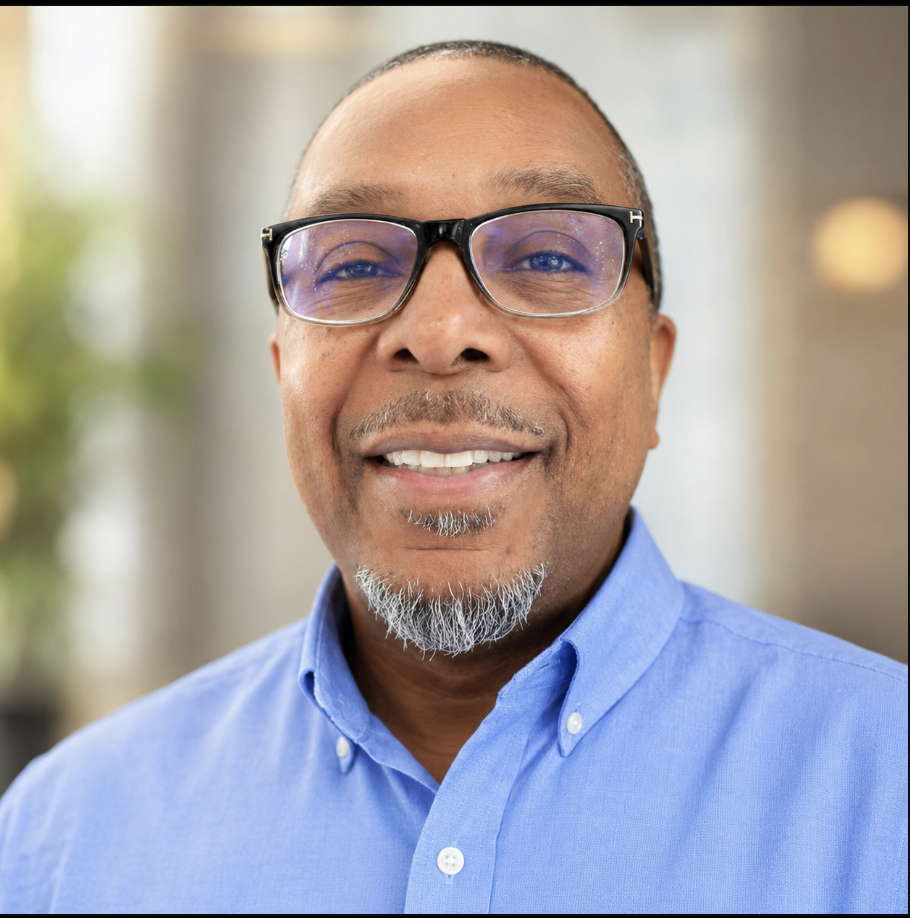
People-first operator studying how assets, operations, decisions, and risk connect. His work focuses on making complex change easier to understand so the next decision can be made with better information.